Bin liner specification guide: gauge, PCR and seal type
Bin liners look like the simplest thing in packaging and generate more quality complaints than almost anything else, because buyers specify them on micron thickness alone. Thickness is the least informative number on the sheet. Here is what to specify instead.
Why micron alone tells you nothing
Two sacks at the same stated gauge can differ by a factor of two in the load they carry, because the resin, the blend and the blowing process matter more than the number.
A 40 µm LDPE sack and a 40 µm sack blended with LLDPE behave differently: the LLDPE version has far better puncture and tear resistance at the same thickness. A high-PCR sack at the same gauge behaves differently again. And a sack extruded fast on a hot line will have poorer molecular orientation than one run properly, at exactly the same measured thickness.
Worse, gauge itself is often quoted as a nominal figure with no tolerance. Some suppliers quote an average that includes the sealed areas, which flatters the number considerably.
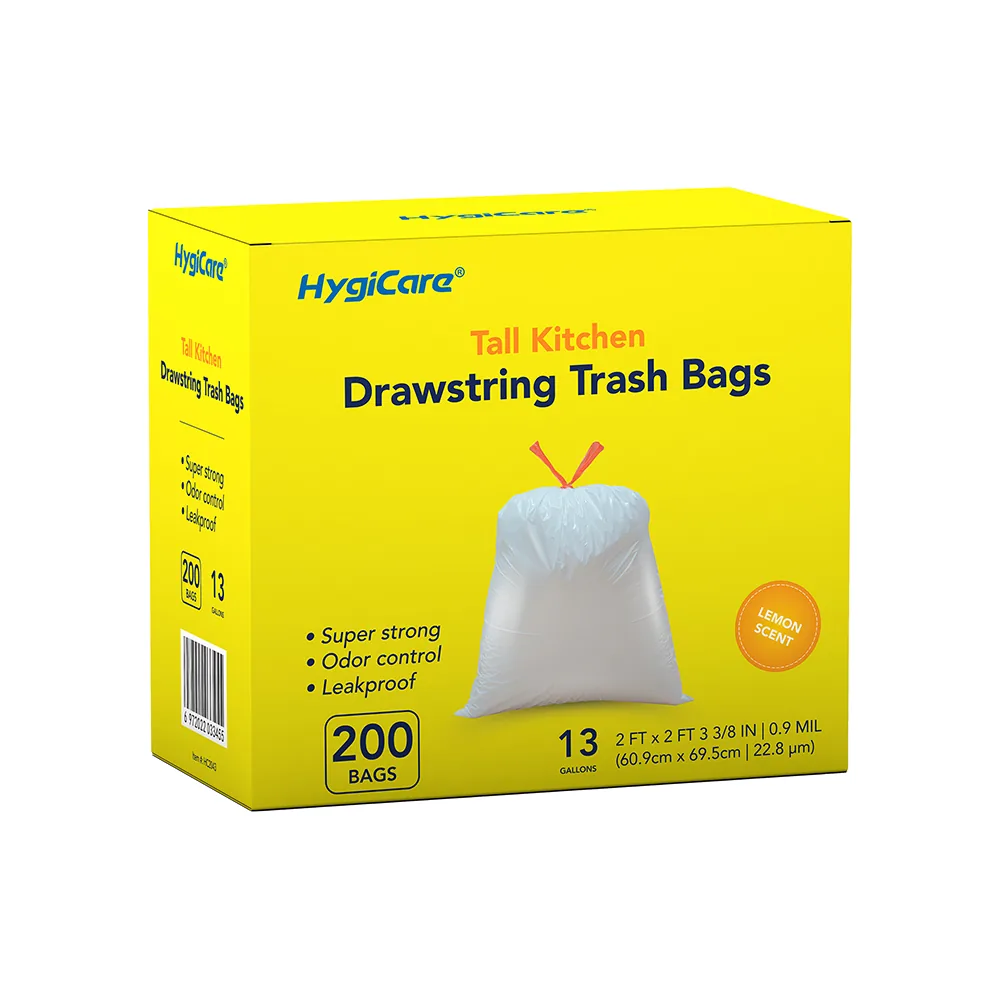
Specify these instead: load rating in kilograms for the intended waste type, gauge with an explicit tolerance, resin blend, and — the one number that cannot be argued with — weight per bag in grams. Weight is what you are actually buying, and it is trivially verifiable on delivery with a set of scales.
Seal type decides where it fails
The seal is where a bin liner fails, so it is worth specifying deliberately.
- Flat bottom seal — a single straight weld. Cheapest, and concentrates all the stress on one line. Fine for light dry waste, poor for anything heavy or wet.
- Gusseted seal — folded sides give a squarer fit to the bin and more volume for the same flat width, but the seal has to pass through multiple film layers, which is a weak point if the welding is not well controlled.
- Star seal — the base is folded so no single point carries the whole load and there are no corners for liquid to collect in. Distributes stress, effectively eliminates leaks, conforms to the bin. This is what to specify for food waste, wet waste or anything above a light load.
Star seal costs marginally more film and materially fewer complaints.
Recycled content: how high is sensible
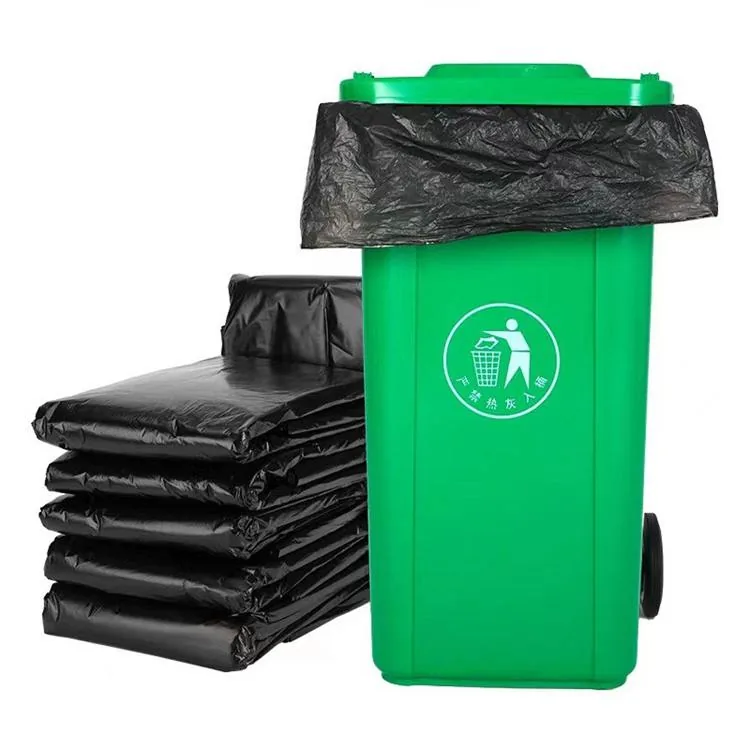
Bin liners are the ideal application for post-consumer recycled content — no food contact, no transparency requirement, and grey is an entirely acceptable colour.
That means you can go much further here than in any other flexible packaging category. We run 30% to 70% PCR as stable production, GRS-certified. For a UK buyer this comfortably clears the Plastic Packaging Tax threshold with margin against batch variation, rather than sitting nervously at exactly 30%.
What to watch: at high PCR, gel count and colour consistency need managing at the compounding stage, and the load rating must be validated at the actual PCR level you are buying, not inherited from the virgin specification. Ask for the drop test at your specification. More on where PCR performance turns.
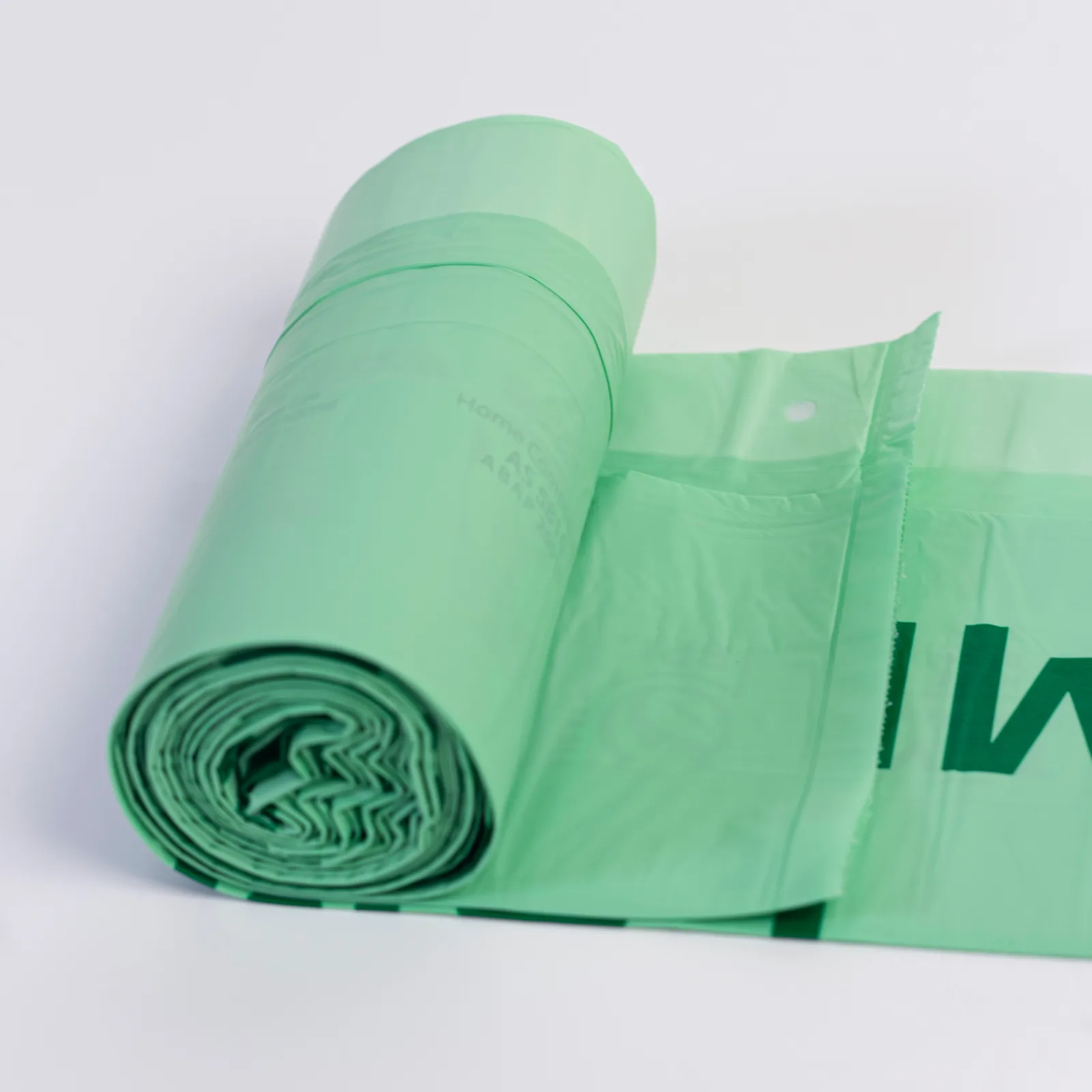
If your programme needs compostable rather than recycled, that is a different material and a different certificate — and the certified thickness cap matters. See the compostable standards guide.
Why bin liners are quoted by tonnage
Bin liner buyers often ask to be quoted by the piece and get an answer in tonnes. That is not evasion — it reflects how the run is actually built.
An extrusion run carries a fixed setup: purging the line to the new blend, stabilising the bubble, matching colour, and scrapping film until the gauge holds. That work is the same whether the run is one tonne or ten, which is why the sensible unit of measure for a bin liner programme is weight of film rather than a piece count.
The same tonnage yields fewer pieces as the sack gets thicker — that is arithmetic, not a change in commercial terms. Tell us the gauge and the piece count you need per year and we will convert it for you.
Send the load requirement, waste type, bin dimensions and annual volume, and we will come back with a specification and a costed offer within 24 hours. See the current bin liner range.
Common questions
What thickness should a bin liner be?
Thickness is the wrong specification to lead with. Two sacks at the same micron rating can differ by a factor of two in load capacity depending on resin blend, recycled content and extrusion conditions. Specify load rating in kilograms and weight per bag in grams, with gauge and tolerance as secondary.
What is a star seal and when do I need it?
A star seal folds the base so no single point carries the whole load and there are no corners for liquid to pool in. Specify it for food waste, wet waste or any load above light dry refuse — it costs slightly more film and prevents most leak and burst complaints.
Why are bin liners quoted in tonnes rather than pieces?
Because the extrusion setup is fixed per run regardless of quantity, so film weight is what the run is actually costed against. A thicker sack gives fewer pieces for the same tonnage, which is why we convert to pieces once the gauge is settled.
Where to go next
- PCR drawstring bin bags
- How high PCR content can go
- UK Plastic Packaging Tax
- Food packaging material selection
- How to audit a Chinese packaging supplier
- Custom printed bag MOQ and pricing
We answer every enquiry within 12 hours and issue a detailed quotation within 24 hours. Send us a specification.