How MOQ, pricing and sampling really work for custom bags
Most buyers start by asking "what is the MOQ?", then discover the price they were quoted changes once the specification does. This guide explains how a Chinese packaging factory actually builds an MOQ and a price, so your first enquiry produces a number you can take to a budget meeting.
What drives the MOQ
The minimum order is not a rule, it is an arithmetic result. Four costs have to be recovered across the run: film and inks, printing cylinders or plates, machine set-up time, and the changeover loss when the line switches from the previous job. On gravure-printed work the cylinder cost is the big fixed item - which is why a 5,000-piece reorder of the same design can be cheaper per piece than a 15,000-piece first order with new plates.
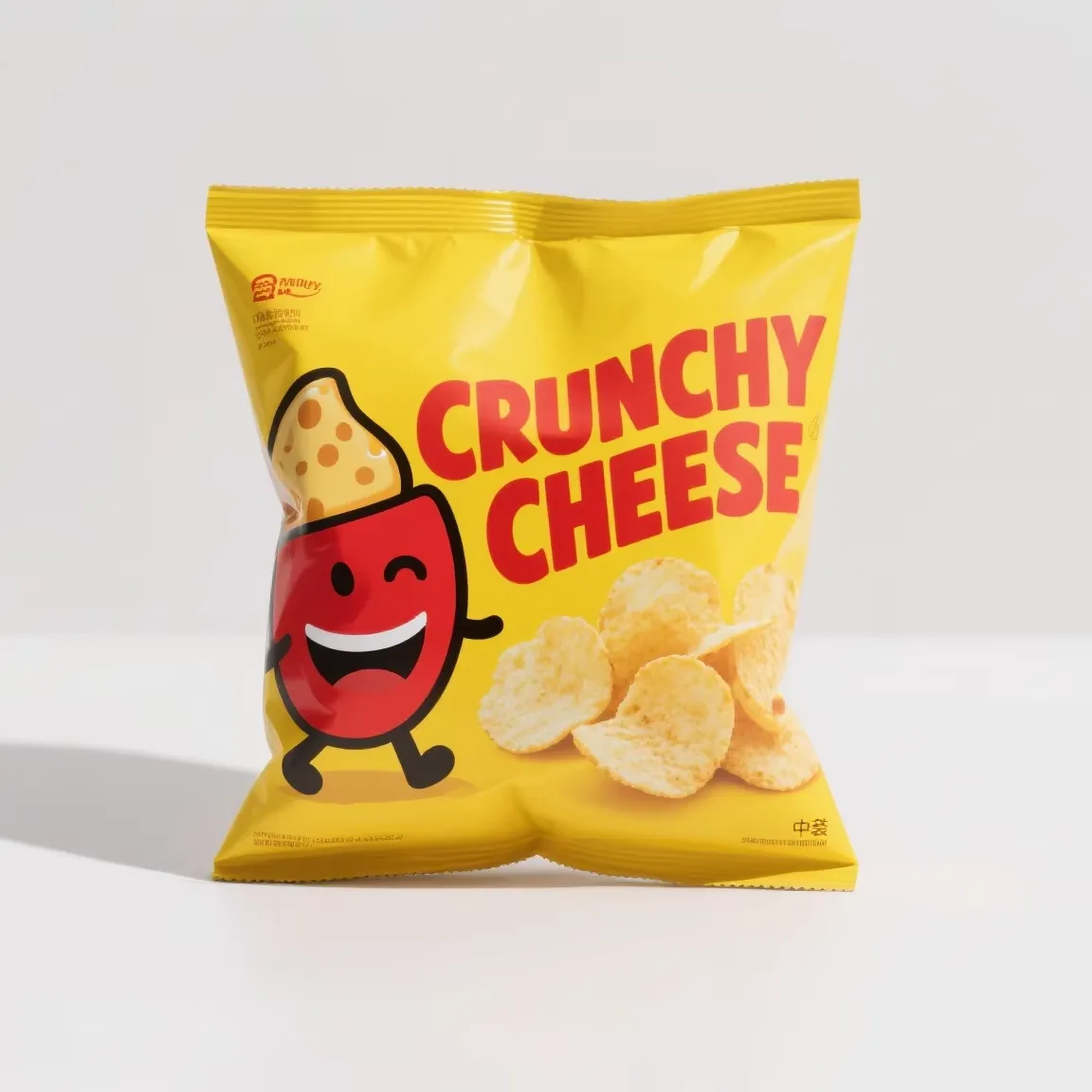
In practice that means: plain or digitally printed bags can run low volumes (thousands), gravure-printed jobs need a run large enough to amortise the cylinders (tens of thousands for small formats), and heavy-duty or laminated structures carry their own set-up cost. Tell us the format, size, film and print upfront and the MOQ is a number, not a negotiation.
How the unit price is built
The unit price is film cost plus print cost plus conversion plus margin, and film cost is a moving target. Resin prices move weekly, so a quote carries a validity window. Three things reduce your unit price more than negotiating: standardising sizes, consolidating SKUs that share a print design, and ordering on a schedule that lets us run your sizes back-to-back on one line.
Sampling: what a sample is and is not
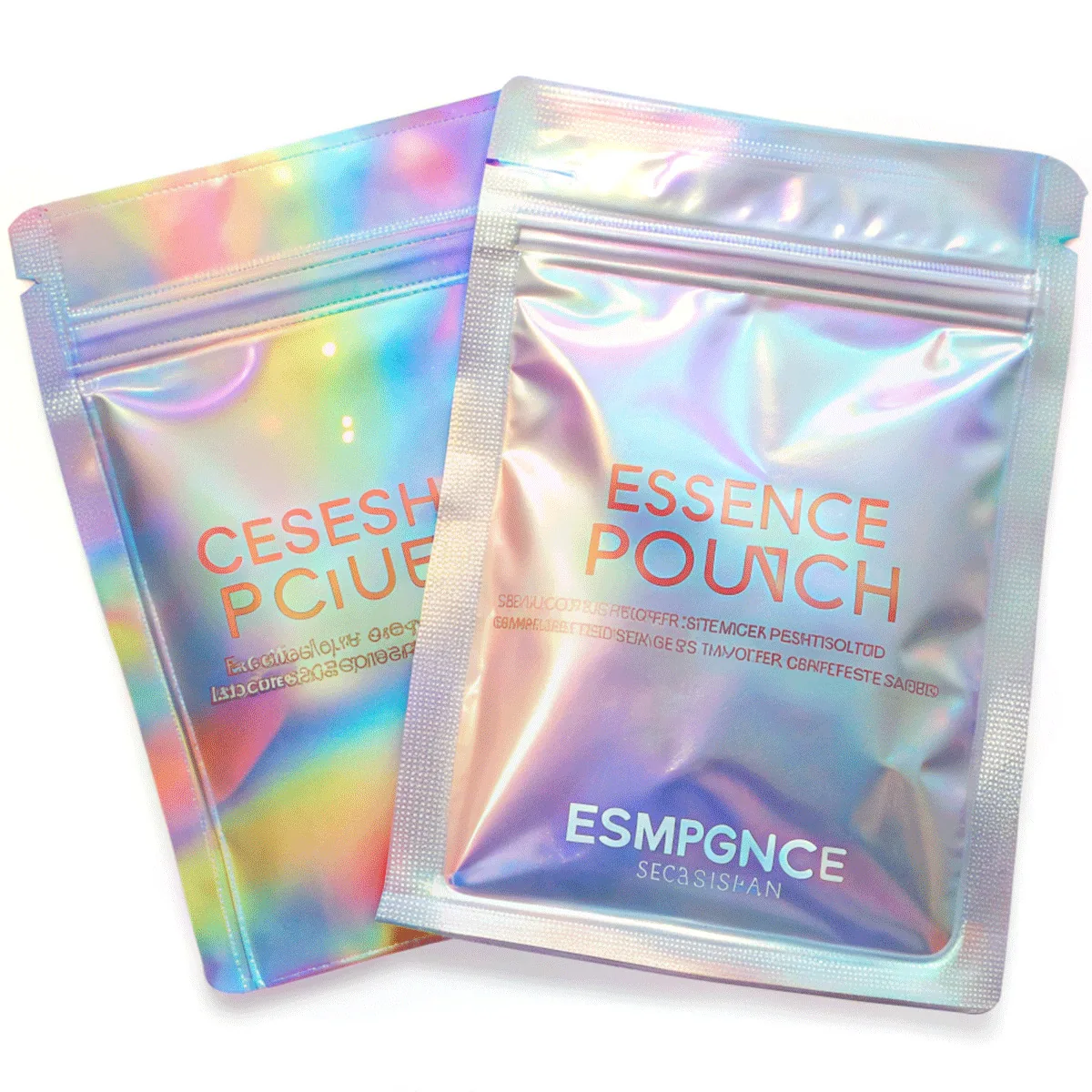
An evaluation sample confirms look, feel and print quality - it is made on a sample machine, so it is not proof of production line behaviour. A pre-production sample from your exact structure and print run is the one that locks the spec before bulk. Samples take 5-7 working days and are typically free in reasonable quantity, with freight at cost; a structurally different prototype (new gauge, new lamination) can take a little longer.
Where buyers lose money
The expensive mistakes are re-speccing after sampling, changing size after cylinders are cut, and treating a sample approved for look as a sample approved for shelf life. Fix the full spec - including barrier requirement and shelf-life target - before the sample stage and the whole project moves faster.
How to get a reliable quote
Send format, dimensions, fill weight or volume, film structure if you know it, print coverage and colours, quantity and delivery port. We quote within 24 hours and will tell you which specification choices move the price, rather than making them for you.
Frequently asked questions
What is the typical MOQ for printed pouches?
For gravure-printed stand-up or flat pouches, typically tens of thousands per design; plain and digitally printed runs can go lower. Exact MOQ depends on size, structure and print.
Are samples free?
Evaluation samples are free in reasonable quantity and ship in 5-7 working days; freight is at cost unless arranged otherwise.
Why is the per-unit price higher on small runs?
Cylinder, set-up and changeover costs are spread across fewer pieces. Consolidating SKUs that share artwork lowers the unit cost.
How long are quotes valid?
Standard validity is 30 days, tied to film resin prices; we flag any movement before it affects your order.
Do you quote before or after sampling?
We quote from your specification first, then produce the sample to that spec - so the price you are quoted is the price the sample represents.