PCR vs compostable vs mono-material: which route is right
These three get discussed as if they were degrees of the same thing. They are not. They satisfy different regulations, they fail in different ways, and choosing the wrong one produces a pack that is more expensive, harder to run, and no better received than what you had.
What each one actually claims
The three routes answer three different questions, and only one of them is about what happens after the pack is thrown away.
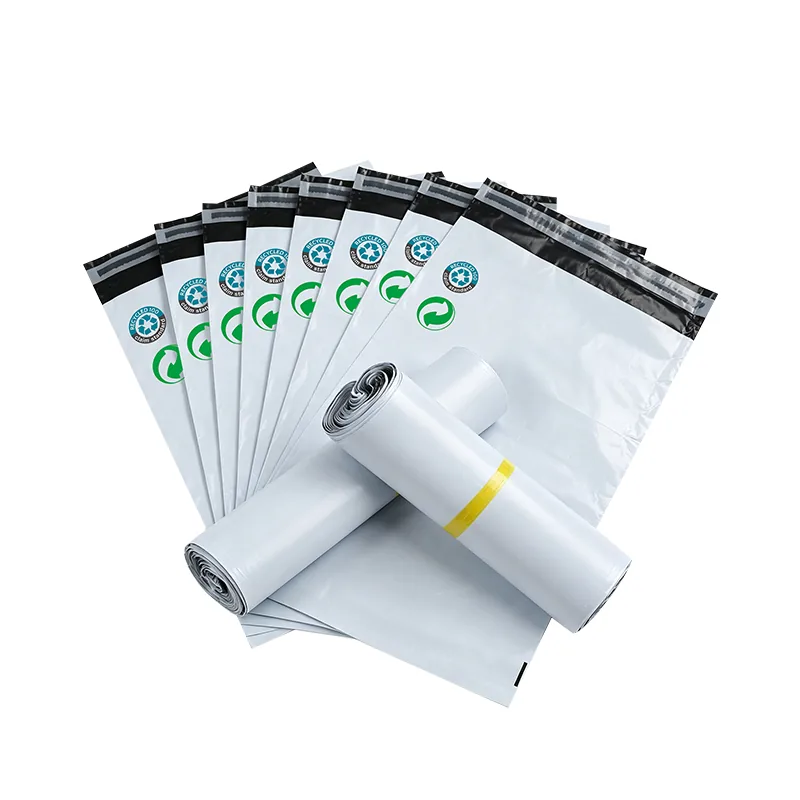
PCR — post-consumer recycled content — is a claim about where the raw material came from. It says nothing about what happens to the pack afterwards. Its value is that it displaces virgin polymer, and it is the route that regulations most often put a hard number on.
Compostable is a claim about end of life under specific conditions. Certified to EN 13432 or ASTM D6400, the film disintegrates and biodegrades in an industrial composting facility within a defined time. Home-compostable certification is a separate, stricter scheme.
Mono-material is a claim about design. The whole structure is one polymer family, usually all-PE or all-PP, so a sorting facility can identify it and a recycler can process it without the layers contaminating each other.
They are not mutually exclusive — a mono-material PE pouch can carry PCR content — but compostable and the other two are, because compostable film contaminates a conventional recycling stream and cannot carry conventional PCR.
Which regulation you are answering decides most of it
In practice buyers do not choose in the abstract. Something is forcing the change, and what that something is narrows the field immediately.
- UK Plastic Packaging Tax — satisfied by recycled content at or above the threshold. Compostable film does not help; it is still taxable plastic. This is a PCR problem.
- EU PPWR recyclability grading — satisfied by design for recycling. PCR content does not make a laminate recyclable. This is a mono-material problem.
- EU PPWR recycled-content minimums — a PCR problem again, and one that runs alongside the recyclability requirement rather than instead of it.
- A retailer's own packaging policy — read the wording. Most large retailers now specify recyclable-by-design, which points at mono-material, not at compostable.
- A plastic-free or zero-waste brand position — the only case where compostable is usually the right answer.
The mistake we see most often is a buyer under recycled-content pressure who specifies compostable film, then discovers it did nothing for the obligation that started the project.
Where each one breaks
Every route has a failure mode, and the failure modes are the part that rarely makes it into a supplier presentation.
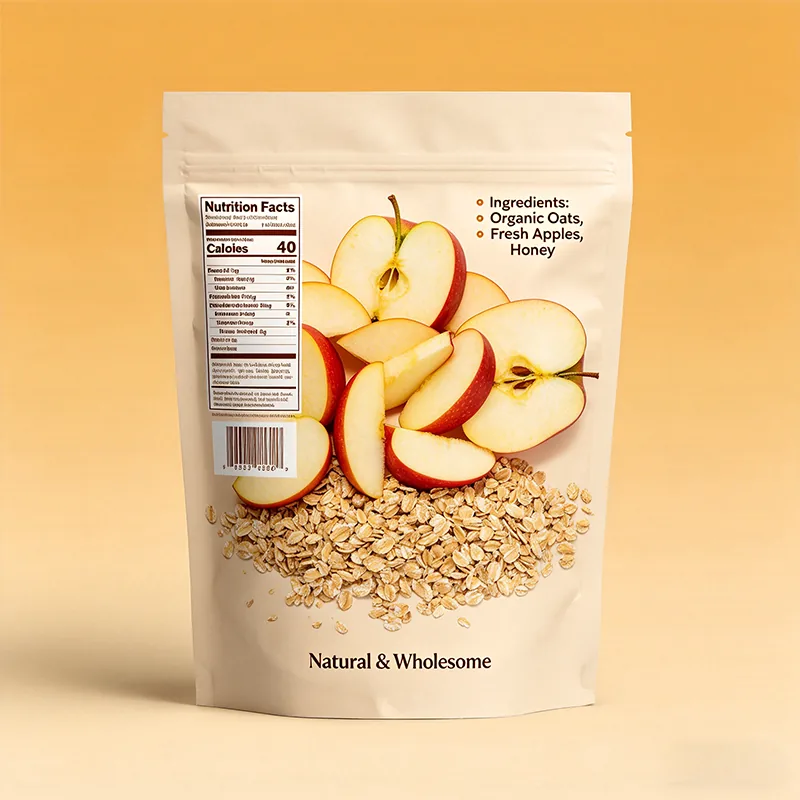
PCR breaks on consistency and on food contact. Recyclate varies batch to batch in melt flow, colour and gel content, which shows up as haze, specks and occasional seal weakness. Push the percentage high enough and you start losing tensile and puncture strength. There is also a hard regulatory edge: mechanically recycled polyolefin is not generally authorised for direct food contact in the EU, so on a food pack the PCR usually has to sit in a layer that does not touch the product.
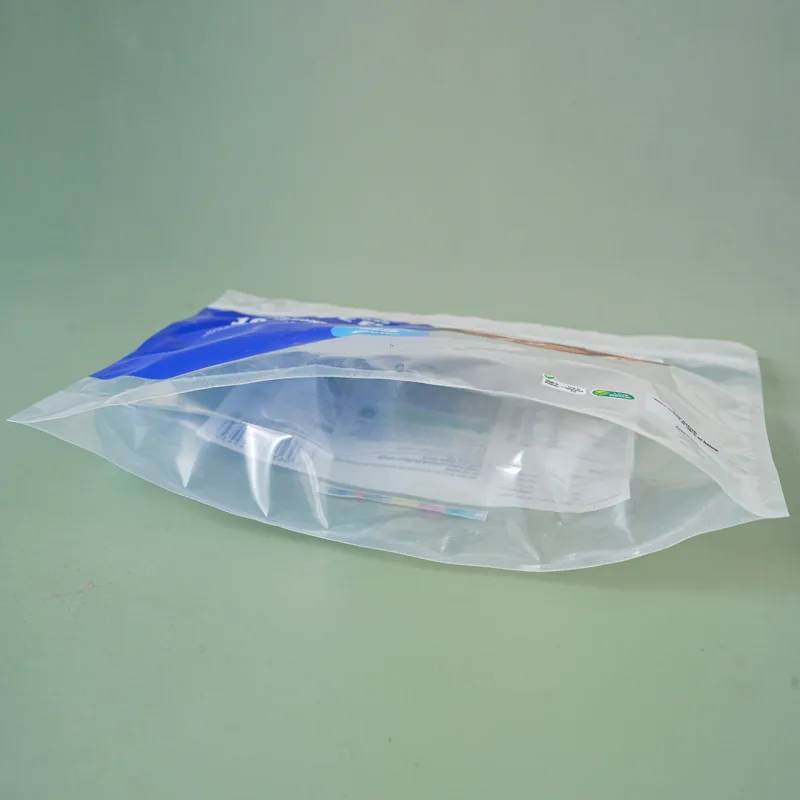
Compostable breaks on barrier, shelf life and infrastructure. Compostable films have poorer moisture and oxygen barrier than the conventional structures they replace, so shelf life is often shorter. They are also less heat-stable, which narrows the sealing window on a fast line. And the certification is conditional on industrial composting that most of your customers cannot actually access — if the pack ends up in landfill, none of the claimed benefit occurs.
Mono-material breaks on the conversion cost and the calendar. The material itself is not exotic and not dramatically more expensive. What costs is requalifying: new film trials, a new sealing window on your filling line, fresh shelf-life data, and repeat migration testing for food. Twelve to eighteen months from first sample to full changeover is normal.
What each one costs, honestly
We cannot give you a price without a specification, but the relative ordering is stable enough to plan with.
Against a conventional laminate baseline: mono-material lands closest to parity, with the real cost being the qualification project rather than the film. PCR is close to parity on the film and can even come out ahead where a tax is avoided, but expect a higher reject rate while the process settles. Compostable is the most expensive per unit by a clear margin, and the gap has not closed as fast as the industry predicted five years ago.
One point against our own interest: if you are buying compostable mailers purely as a sustainability gesture, and your customers dispose of them in general waste, a mono-material PE mailer with high PCR content will usually have the better real-world outcome and cost you less. We would rather say that than sell you the more expensive option.
How to choose in one pass
Work through it in this order and you will usually land in the right place first time.
- Is a recycled-content percentage legally required of you? — PCR, and start with what percentage the application can carry.
- Does the pack have to pass a recyclability assessment? — mono-material, and start the qualification project now.
- Is the product food-contact? — that constrains where PCR can sit and may rule out the simple answer.
- Is the brand position explicitly plastic-free, and does the product reach a composting stream? — compostable.
- None of the above, and you want the largest genuine improvement per unit spent? — mono-material with PCR content.
Common questions
Can one pack be both compostable and recycled content?
Not usefully. Conventional PCR is not compostable, and adding it would break the EN 13432 or ASTM D6400 certification. Some compostable films contain bio-based content, which is a different claim from post-consumer recycled content.
Is compostable packaging better than recyclable packaging?
Only where industrial composting is genuinely available to the end user. Where it is not, a certified compostable pack behaves like any other plastic in landfill while having cost more and offered less barrier.
How much PCR can a film take before quality drops?
It depends on the application and the grade of recyclate. There is a working range rather than a single number, and pushing to the top of it trades optical clarity and puncture resistance for the percentage on the certificate.
Does mono-material mean 100% one polymer?
No. Design-for-recycling guidelines allow a small proportion of other materials — typically for barrier — before the structure stops counting as mono-material. The threshold is what the applicable guideline says, not a marketing choice.
Where to go next
- PCR poly mailers
- How high can PCR content go before film quality drops?
- EN 13432 vs ASTM D6400: which compostable standard do you need?
- Send us a specification
- How high can PCR content go?
- Mono-material pouches and barrier
- EN 13432 vs ASTM D6400 compostable standards
We answer every enquiry within 12 hours and issue a detailed quotation within 24 hours. Send us a specification.